

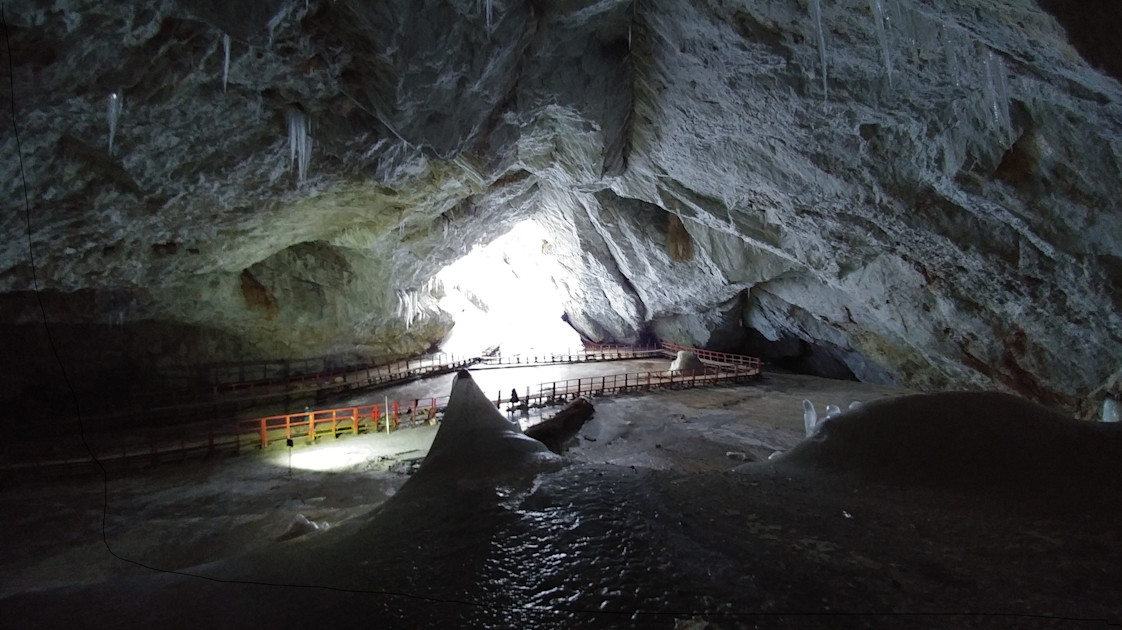
Well fucking yeah. Leave it be.
The bacteria will eventually be revived in one way or another, and it’s just hanging out around our poles right now. So getting information about the microbe seems like a better idea than waiting for it. Not only is it not anticipated to be a human pathogen (only 5/37 of known Psychrobacter species are pathogenic), but it may also contribute to the reduction of antibiotic resistance thanks to its ~600 novel genes.
“The researchers found almost 600 genes with unknown functions, suggesting a yet untapped source for discovering novel biological mechanisms. Analysis of the genome also revealed 11 genes that are potentially able to kill or stop the growth of other bacteria, fungi, and viruses.”
Nevertheless, BSL III & IV labs are remarkably secure. However, pathogenic psychrobacter is an opportunistic pathogen that requires an immunocompromised individual. So sure, it is not entirely risk-free, but the fact it’s unlikely to be pathogenic and wouldn’t be a significant issue if it were makes it worthwhile to uncover information about this ancient species. Especially if this research unveils new methods for killing other pathogens and having some breathing room regarding antibiotic resistance.
This highlights the importance of studying ancient bacteria to understand the natural evolution of antibiotic resistance and ways in which those bacteria could be used for future medical and biotechnological solutions, the researchers said.
Very shortly,
“Ancient Bacteria Resistant Against 10 Modern Antibiotics Accidentally Released From Research Facility”
“Escapes”